
Best Authentic Greek Food: A Local's Guide
Last Updated: Sep 21, 2026
What Defines Authentic Greek Food
Authentic Greek food centers on simplicity and fresh ingredients: extra virgin olive oil, fresh vegetables, herbs like oregano and thyme, feta cheese, and seafood caught from nearby waters. It's about letting quality ingredients speak for themselves rather than relying on complex techniques or elaborate presentations.
What separates authentic Greek cuisine from its imitations is ingredient sourcing and respect for traditional recipes. Parthenon Greek Restaurant & Chevy Chase Lounge has served authentic Greek food since 1989 by sourcing imported Greek products and using time-tested family recipes.
Authentic Greek food emphasizes balance: olive oil, fresh herbs, and quality proteins create depth without heavy sauces or excessive seasoning. A grilled fish with lemon and oregano or slow-cooked lamb prove that restraint and quality yield superior results.
To identify restaurants that genuinely respect authentic Greek food, look for menus featuring traditional preparations, imported ingredients listed transparently, and cooking methods that honor time-tested techniques.
Traditional Greek Menu Items Worth Ordering
Mezze and Small Plates
Mezze represents the heart of Greek dining culture. These small plates encourage sharing and exploration of multiple flavors, allowing diners to create a personalized tasting experience rather than ordering a single entrée.
Infographic showcasing traditional mezze items for authentic Greek food, including tzatziki, olives, and pita.
Essential mezze items include spanakopita (spinach and feta in phyllo), saganaki (fried cheese), dolmades (grape leaves stuffed with rice and herbs), tzatziki (yogurt, cucumber, and garlic dip), and olives offering briny contrast to richer items.
Mezze dining's flexibility allows groups to share multiple plates and taste various preparations, reflecting Greek hospitality and emphasis on community meals.
Main Courses and Signature Dishes
Souvlaki (marinated meat grilled on skewers) and gyro (meat from a vertical rotisserie) are the most recognizable Greek main courses, both served with pita, vegetables, and tzatziki.
Finding an Authentic Greek Restaurant Near Me
Identify authentic Greek restaurants by examining menu structure. Authentic establishments feature mezze sections, traditional main courses, and preparations reflecting regional Greek cooking rather than Americanized interpretations.
Price-to-Portion Value Signals
Authentic Greek restaurants typically offer strong value because the cuisine emphasizes affordable, high-quality ingredients rather than expensive proteins or labor-intensive techniques.
Dietary Accommodation and Transparency
Authentic Greek restaurants increasingly recognize dietary restrictions. Look for:
Gluten-free options: Menus should identify naturally wheat-free mezze and mains (grilled fish, saganaki, vegetable dishes). Ask whether they use separate prep surfaces to avoid cross-contamination.
Vegetarian and vegan depth: Beyond salads, authentic kitchens offer vegetable-forward mezze (horta, saganaki, dolmades with rice-herb filling) and bean-based dishes like fava.
Dairy-free and keto-friendly: Grilled fish, octopus, lamb chops, and vegetable platters naturally fit these diets.
Ask directly: "What do you recommend for someone who is [gluten-free/vegan/keto]?" Authentic restaurants offer specific dishes, not generic deflections.
Ingredient Sourcing Transparency
Check whether the restaurant mentions imported Greek products on its website or menu. Does it specify feta origin (Greek PDO vs. domestic), olive oil brand, or seafood sources (wild-caught vs. farmed)? Transparency about sourcing indicates commitment to authenticity. If absent, ask during a visit.
Preparation Methods and Equipment
Wood-fired ovens, open grills, and traditional cooking techniques signal respect for authentic methods.
Atmosphere and Hospitality
Authentic Greek restaurants create welcoming environments where hospitality is genuinely rooted in Greek traditions. The dining experience should feel genuine, not artificially themed. Staff who know the menu and treat guests with warmth signal that the establishment cares about your experience. Developing a discerning palate for these nuances is essential for identifying authentic Mediterranean cuisine while navigating the broader landscape of regional dining.
Community and Local Reputation
Ask locals for recommendations. Look for restaurants with multi-year track records and consistent customer bases, indicating sustained quality.
Ingredient Sourcing: How to Spot Real Quality
Real quality in Greek food begins with ingredients. Extra virgin olive oil forms the foundation, with true Greek olive oil having a distinctive peppery finish and grassy aroma.
Greek Catering Services for Events and Gatherings
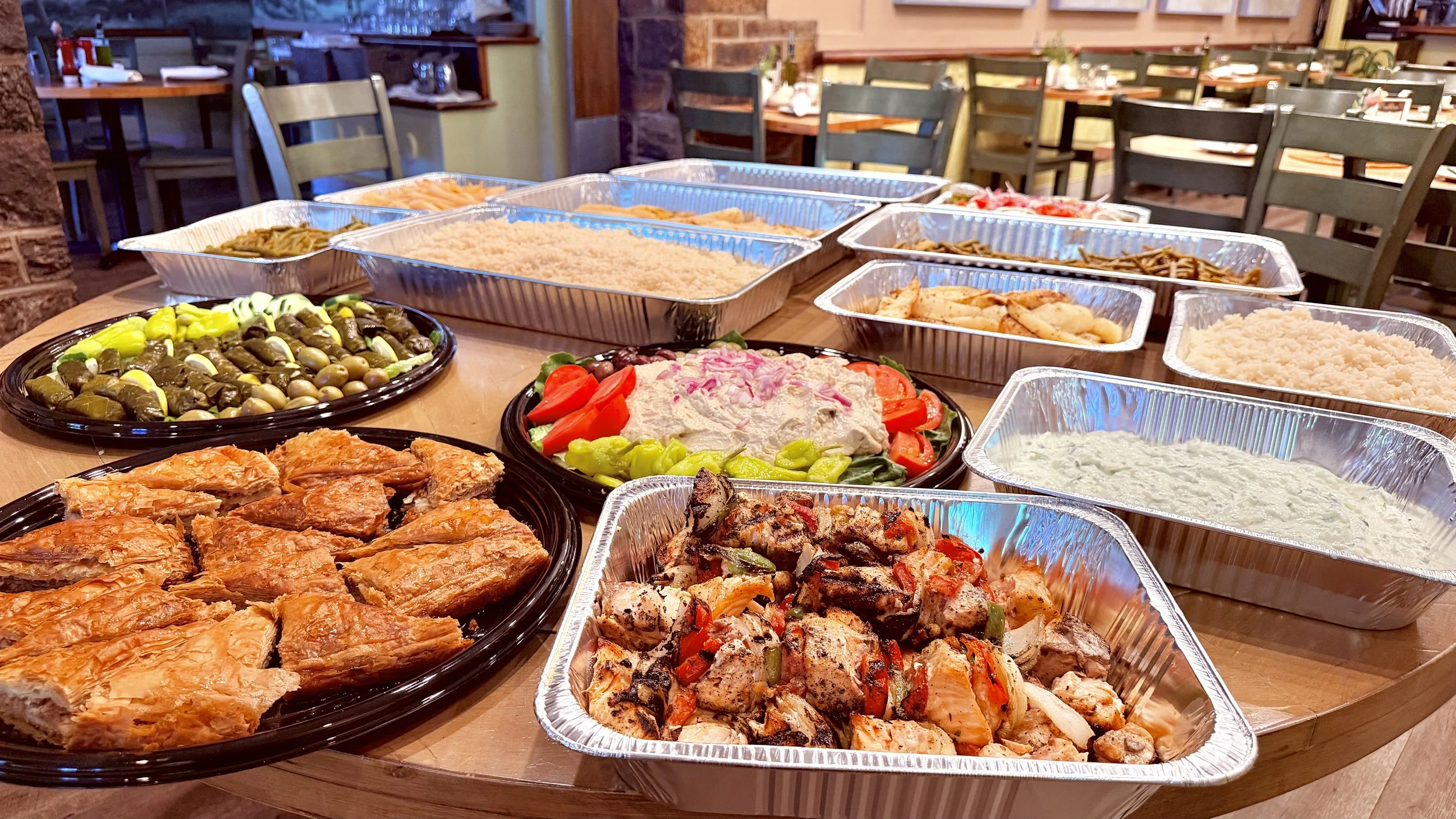
Authentic Greek catering brings warmth and flavor to corporate gatherings, weddings, and community events. Professional services handle logistics while you focus on your guests.
Dining Experience: Atmosphere, Hospitality, and Value
The complete dining experience extends beyond food quality to encompass atmosphere, service, value, and accommodation of diverse preferences. Authentic Greek restaurants create welcoming environments where hospitality is genuinely rooted in Greek traditions.
Casual vs. Upscale Greek Dining: What You're Paying For
Greek restaurants exist on a spectrum, and understanding the trade-offs helps you choose the right fit for your occasion and budget.
Casual/Fast-Casual Options ($12-$20 per person):
Souvlaki shops, gyro stands, and casual tavernas prioritize speed and affordability with counter service.
Food arrives quickly (10-15 minutes) prepared to order using streamlined techniques.
Atmosphere is unpretentious: simple tables, bright lighting, high turnover.
Best for: Lunch, quick dinners, groups on a budget, or when you want to focus on food rather than experience.
Traditional Taverna Dining ($20-$35 per person):
Full-service restaurants with table seating, wine lists, and mezze-focused menus.
Service is attentive but relaxed; staff encourage lingering.
Food takes longer (20-30 minutes) because dishes are prepared to order and plated with care.
Atmosphere balances authenticity with comfort: warm lighting, Greek music, family-style service.
Best for: Dinner, special occasions, groups who want to share and explore multiple dishes.
Upscale/Fine Dining Greek ($40-$75+ per person):
Refined settings with sophisticated service, curated wine programs, and chef-driven menus.
Dishes may reinterpret traditional recipes with modern techniques or premium ingredients.
Service is formal and anticipatory; staff explain dishes and guide wine pairings.
Atmosphere emphasizes elegance: subdued lighting, refined décor.
Best for: Celebrations, business dinners, food-focused occasions, wine enthusiasts.
Atmosphere and Outdoor Seating
Outdoor seating enhances the Mediterranean dining experience. Evening meals under string lights, the aroma of grilled food, and conversation create memories that matter as much as the food itself.
When evaluating atmosphere, consider:
Authenticity of décor: Does the space feel genuinely Greek (family photos, Greek music, simple furnishings) or artificially themed?
Noise level and energy: Authentic tavernas are lively and social with a sense of community. Overly quiet or sterile spaces may indicate less authentic operations.
Lighting and comfort: Warm lighting and comfortable seating encourage lingering, as Greek dining is meant to be leisurely.
Service Quality and Hospitality
Service quality reflects restaurant values. Staff who know the menu, offer genuine recommendations, and treat guests with warmth signal that the establishment cares about your experience. In authentic Greek restaurants, hospitality is personal.
Look for these service markers:
Menu knowledge: Staff explain dishes, suggest mezze combinations, and answer questions about ingredients without hesitation.
Genuine recommendations: Servers suggest dishes based on your preferences and dietary needs, not high-margin items.
Pacing: Mezze arrive quickly; main courses follow after you've finished sharing. Dessert and coffee come only when you're ready.
Flexibility: The kitchen accommodates reasonable requests without attitude or upcharges.
Dietary Accommodation and Inclusivity
When evaluating a restaurant's commitment to inclusivity, ask:
Gluten-free capability: Can the kitchen prepare grilled fish, saganaki, or vegetable dishes without cross-contamination? Staff should identify naturally gluten-free mezze without guessing.
Vegetarian and vegan depth: Does the menu offer vegetable-forward mezze (horta, saganaki, dolmades), grilled vegetables, and bean-based dishes? A strong vegetarian section indicates respect for plant-based diners.
Dairy-free and keto-friendly options: Ask whether the kitchen can prepare dishes without olive oil or with minimal carbohydrates. Confident answers signal trained staff and flexible cooking.
Allergy protocols: Does the restaurant take allergies seriously? Do they ask clarifying questions and use separate prep surfaces?
Value Beyond Price
Value extends beyond the dollar amount. A meal with premium ingredients, careful preparation, and excellent service often delivers better value than a cheaper alternative using shortcuts. Evaluate:
Ingredient quality: Are olives imported? Is feta Greek PDO or domestic? Is seafood wild-caught or farmed?
Portion sizes: Do they match the price?
Preparation care: Is food cooked to order? Are mezze items fried fresh? Does the kitchen show attention to detail?
Service attention: Does staff check on you throughout the meal and respond to requests?
Frequently Asked Questions
What makes authentic Greek food different from Mediterranean fusion?
Authentic Greek food relies on traditional recipes passed down through generations, emphasizing imported ingredients like extra virgin olive oil, feta cheese, and oregano. The preparation methods, wood-fired cooking, slow-roasting, and hand-rolled pastries, distinguish it from fusion dining, which blends Greek elements with other cuisines. Look for restaurants that source directly from Greece or Mediterranean suppliers and feature family recipes on the menu.
What are the signature dishes to order at an authentic Greek restaurant?
Must-try traditional Greek menu items include spanakopita (spinach and feta pastry), saganaki (fried cheese), souvlaki (grilled meat skewers), moussaka (layered eggplant and meat), and fresh seafood like grilled octopus or branzino. Mezze platters with tzatziki, dolmades, and marinated vegetables showcase the breadth of Greek culinary tradition. Gyros made from slow-roasted meat and served with pita and fresh toppings are also essential.
How can I find a quality Greek restaurant near me that's actually authentic?
Search for restaurants that have been family-owned for decades and emphasize imported Greek products and traditional recipes. Check if they list their sourcing practices and whether they prepare dishes from scratch. Read reviews mentioning hospitality, fresh ingredients, and authentic atmosphere. A Greek restaurant near me should have a warm, welcoming dining space with outdoor seating if possible, and staff knowledgeable about the origins of each dish.
Can authentic Greek restaurants handle catering for large events?
Yes, established Greek catering services can accommodate groups of 20 to 100+ people with proper advance notice. Greek catering services typically offer customizable mezze platters, grilled entrées, family-style portions, and traditional desserts. Confirm that your caterer maintains food quality and temperature during transport and service, provides setup and staffing if needed, and can adapt menus for dietary restrictions. Ask about their experience with office events, celebrations, and community gatherings.
